Study Index

Find the Study.
Test the Claim.

Search The Berean Scale by passage, Bible book, doctrine, Greek or Hebrew term, or theological topic. Follow the evidence into the text instead of hunting through a chronological archive.

Search the library

Results update as you type. You can also combine search with a filter below.

40 Published Studies
20 Bible Books Indexed
219 Study Topics

Narrow the Library

Browse the Studies

Bible Books

Books currently represented in published studies.

Categories

Passage study, original language, doctrine, and prophecy.

Topics & Terms

Word studies, passages, doctrines, and recurring research themes.

Study Library

All Studies

40 studies

Does Deuteronomy 28:68 Identify Black Americans as Israelites?
Doctrine & Discernment

Does Deuteronomy 28:68 Identify Black Americans as Israelites?

Deuteronomy 28:68 describes covenant Israel being brought back to Egypt by ships and offered for sale as male and female slaves, yet with no buyer. This study examines whether the verse predicts the transatlantic slave trade or identifies Black Americans collectively as Israelites.

Deuteronomy Psalms
Read Study
Deuteronomy 28: What Do the Blessings, Curses, and Exile Actually Mean?
Doctrine & Discernment

Deuteronomy 28: What Do the Blessings, Curses, and Exile Actually Mean?

Deuteronomy 28 establishes covenant blessings and curses addressed to Israel, including defeat, siege, exile, scattering, and a return to Egypt in ships. Later Scripture connects these warnings to Israel’s historical covenant judgments, but the chapter does not identify a modern ethnic group or prove ancestry through suffering, ships, or slavery.

Deuteronomy
Read Study
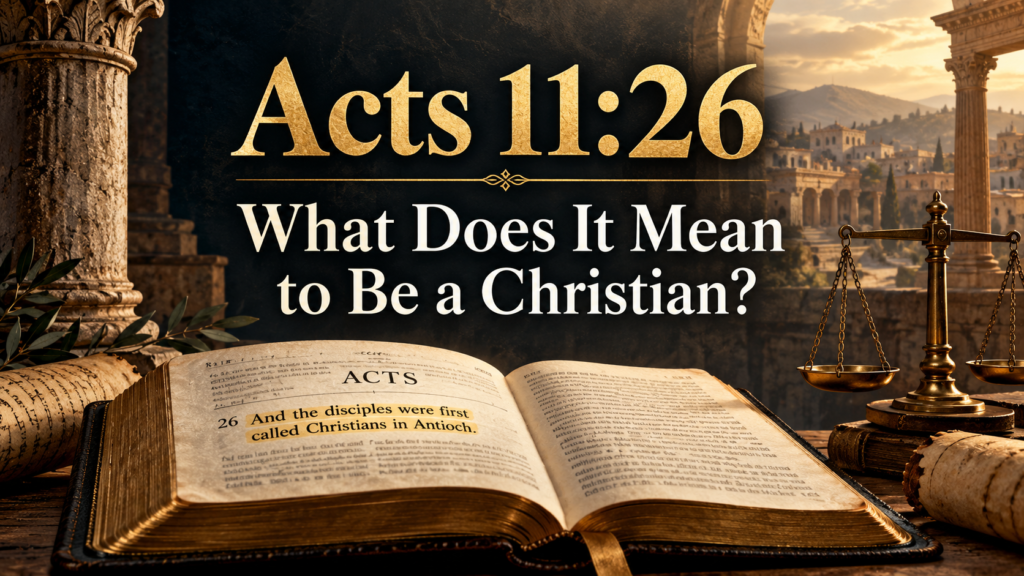
Acts 11:26: What Does It Mean to Be a Christian?
Doctrine & Discernment

Acts 11:26: What Does It Mean to Be a Christian?

Acts 11:26 says the disciples were first called Christians at Antioch. This Scripture study examines what identifies a follower of Yeshua and how faith, repentance, baptism, obedience, grace, and perseverance fit together.

Acts
Read Study
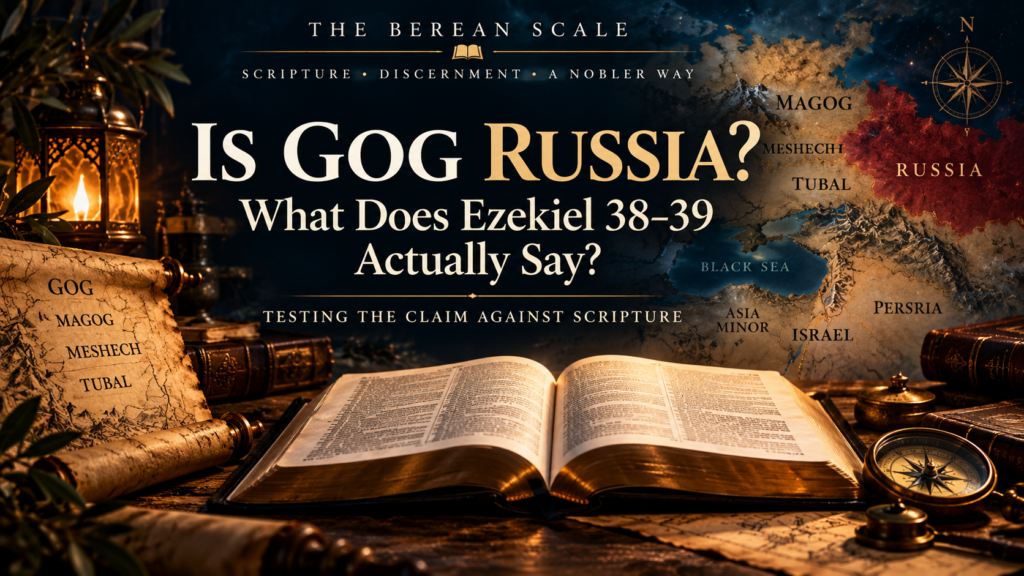
Is Gog Russia? What Does Ezekiel 38–39 Actually Say?
Hebrew & Greek

Is Gog Russia? What Does Ezekiel 38–39 Actually Say?

Ezekiel 38–39 does not explicitly identify modern Russia as Gog. This study examines the passage’s named peoples, the meaning of rosh, the northern invasion, and the historical weaknesses of linking Meshech with Moscow or Tubal with Tobolsk.

Ezekiel Revelation
Read Study
Do Prophets Exist Today? What Does the Bible Actually Teach?
Doctrine & Discernment

Do Prophets Exist Today? What Does the Bible Actually Teach?

Scripture records prophecy after Pentecost but does not explicitly settle whether it continues unchanged today. This study examines both continuationist and cessationist arguments and explains how believers should test modern prophetic claims.

Acts 1 Corinthians 1 Thessalonians
Read Study
Does Celestial’s China Prophecy Have Biblical or Factual Support?
Doctrine & Discernment

Does Celestial’s China Prophecy Have Biblical or Factual Support?

This Berean review examines a claim from The Master's Voice Prophecy Blog associated with Celestial. An independent Berean Scale review examines Celestial’s China prophecy, including its Golden Dragon and Red Dragon identifications, resource claims, China-Japan talks, and predictions about technology and military power.

Revelation
Read Study

Does Scripture Teach That America Was Married to God and Will Be Enslaved by Russia and China?
Doctrine & Discernment

Does Scripture Teach That America Was Married to God and Will Be Enslaved by Russia and China?

This Berean review examines a claim from The Master's Voice Prophecy Blog associated with Celestial. Celestial’s claimed vision says America was once married to Yeshua and will be invaded, enslaved, and deported by Russia and China. This Scripture-first review tests Ezekiel 16, Jeremiah 16, and Revelation 18, distinguishing biblical repentance from unsupported national and geopolitical predictions.

Ezekiel Revelation
Read Study
The Berean Method

Search widely. Read narrowly.

The index helps you find the study. The text still sets the boundaries: read the wording, follow the context, compare Scripture with Scripture, and stop where the evidence stops.